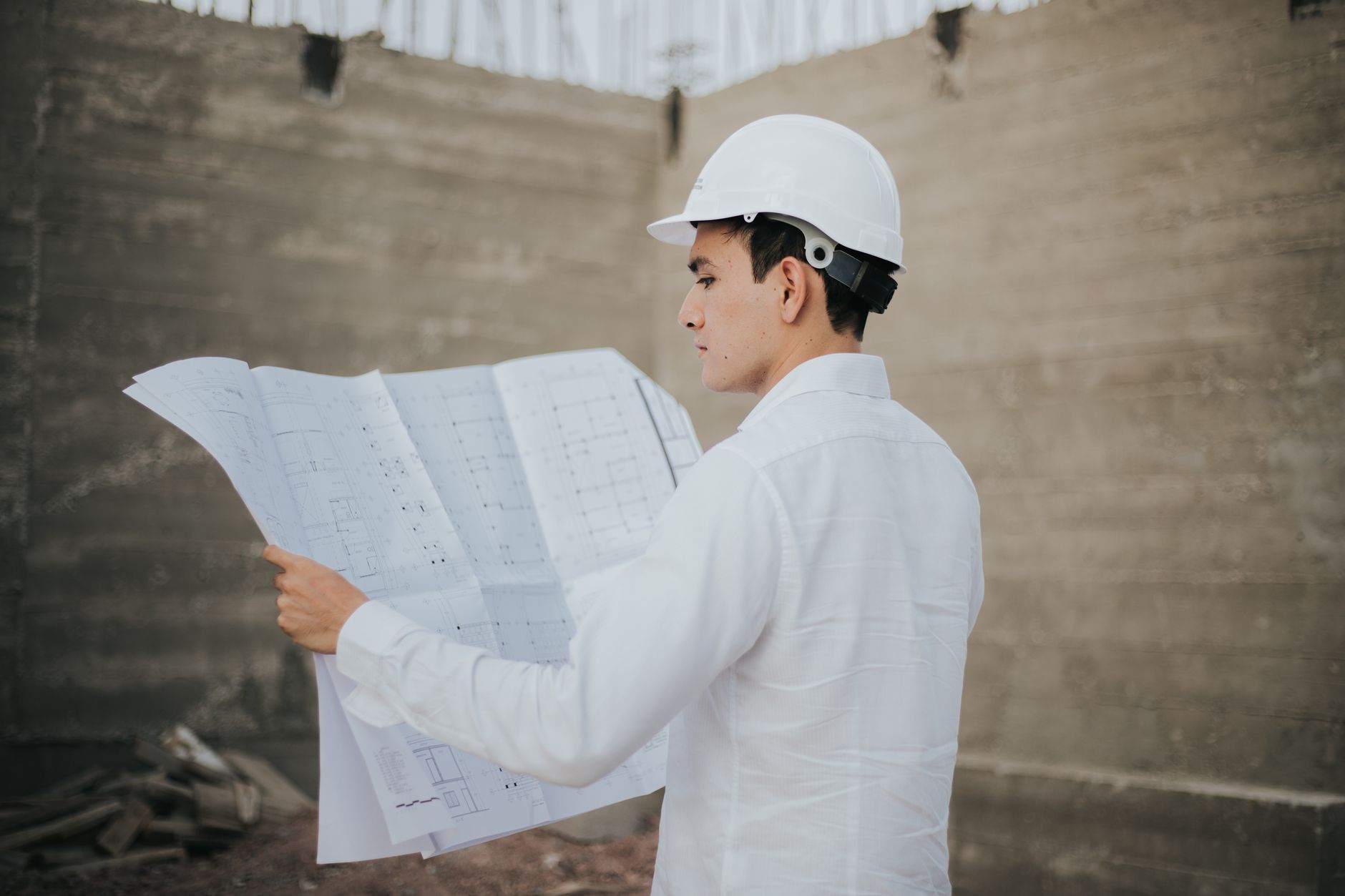
I work as a residential property buyer in central Ohio, and most of my week is spent walking through houses that owners do not want to list in the usual way. I have stood in basements with two inches of water, kitchens frozen in the 1970s, and living rooms packed with decades of belongings. My job is to look past the mess, estimate the real cost of the problems, and decide whether a direct purchase can give the owner a practical exit. That experience has taught me that a fast sale can be useful, but only when the numbers and timing fit the seller’s situation.
Why Columbus Owners Consider a Direct Sale
I usually hear from owners after a normal sale has started to feel heavier than the house itself. One person may be dealing with an inherited property near the east side, while another is trying to move before a new job begins in 30 days. I also meet landlords who are finished with repeated repairs after a tenant leaves, and families who cannot manage another winter of utility bills in an empty home. The common issue is rarely a lack of interest in the property. It is a lack of time, cash, or energy for the usual preparation process.
I remember a seller last spring who had already filled one 20-yard dumpster and still had several rooms to clear. The roof was old, the garage door had failed, and the plumbing had been shut off after a leak. I could see that a retail buyer might still want the house, but getting it ready would have required weeks of work and several thousand dollars. The owner chose speed because every extra month meant another round of taxes, insurance, lawn care, and worry.
I never tell an owner that a direct sale is automatically the best route. Some houses are clean, updated, and located on streets where buyers compete quickly, so a traditional listing may produce more money even after fees and preparation costs. Other properties have conditions that make financing difficult, such as missing flooring, a damaged furnace, or an unfinished bathroom. Those details matter. I compare the likely net outcome, not just the headline price.
How I Evaluate a Columbus House Before Making an Offer
I start with the parts of the property that can create the biggest surprises after closing. I look at the roof, foundation, electrical panel, plumbing supply lines, furnace, air conditioner, windows, and signs of moisture. A cracked tile does not worry me as much as a basement wall that bows inward by 2 inches. I also pay attention to access, lot drainage, nearby property conditions, and the amount of debris that must be removed.
Owners sometimes search for we buy houses in Columbus Ohio services because they want an offer that reflects the home’s present condition. I think that approach makes sense when the buyer explains the repair assumptions clearly and does not hide deductions behind vague language. I prefer to walk room by room with the owner and point out what affects my number. That conversation usually takes less than an hour, but it prevents confusion later.
I build my offer from the resale value I believe the property could reach after repairs, then subtract the work, carrying costs, transaction expenses, and risk. The repair estimate may include 18 windows, a full roof replacement, or the cost of removing an old shed that is leaning toward a neighbor’s fence. I also leave room for problems hidden behind walls or under flooring, because older Columbus houses often reveal surprises after demolition begins. A good offer should be explainable. If I cannot show how I reached it, I should not expect the seller to trust it.
I avoid pretending that every repair estimate is exact. Labor availability changes, material prices move, and one damaged joist can lead to a wider framing repair than anyone expected. I give owners a realistic range when there is uncertainty, especially with foundations, sewer lines, and water damage. That honesty may make the conversation less polished, but it makes the decision more useful. Clear numbers beat sales pressure.
The Difference Between Price and Net Proceeds
I often see owners compare a direct offer with an estimated listing price as though the two numbers mean the same thing. They do not. A listed home may need paint, flooring, cleaning, landscaping, appliance repairs, photography, repeated access for showings, and a buyer-requested credit after inspection. Even a strong contract can change if the appraisal comes in low or the lender questions the property’s condition.
I worked with a family who believed their inherited house could sell for about $240,000 after renovation. Their estimate was reasonable, but the house needed a new kitchen, two bathroom updates, exterior repairs, and major cleanup before it could compete with renovated homes nearby. Once they added the work, holding time, selling expenses, and the chance of extra repairs, the larger future price felt less certain. I offered less than the projected retail value, yet the difference in final proceeds was smaller than they first assumed.
I encourage sellers to place both options on one sheet of paper. On the listing side, I include preparation costs, estimated commissions, seller-paid closing expenses, taxes during the waiting period, insurance, utilities, and a reserve for inspection negotiations. On the direct-sale side, I include the actual offer, any closing costs the seller must pay, the move-out terms, and the proposed closing date. Five lines of honest math can be more helpful than a long sales pitch.
I also ask owners to assign value to certainty. A contract scheduled to close in 10 days may solve a probate deadline, stop an expensive vacancy, or let someone coordinate a move without carrying two homes. That certainty has real value, although each seller values it differently. I cannot decide that part for them. I can only make the tradeoff visible.
What a Fair Direct-Sale Process Looks Like
I believe the process should feel calm from the first phone call. I ask basic questions about occupancy, repairs, ownership, liens, and the seller’s preferred timing, then I schedule a visit that fits their routine. During the walk-through, I do not expect fresh paint, perfect cleaning, or staged rooms. I need to see the property as it is.
After the visit, I prepare a written offer with a clear price, closing window, and any conditions that must be satisfied. Some transactions can close in about 7 to 14 days, while others need more time because of probate, title issues, unpaid taxes, or multiple heirs. I use a title company or closing attorney to verify ownership and handle funds. That independent closing process protects both sides and creates a record of every document signed.
I think sellers should be cautious if a buyer refuses to provide written terms, pressures them to sign immediately, or changes the price shortly before closing without a documented reason. A legitimate repair discovery can affect a deal, but a vague last-minute reduction is different. I also dislike contracts that give the buyer broad cancellation rights while locking the seller in for a long period. The agreement should match the promises made during the conversation.
I once reviewed a house where the owner needed 21 extra days after closing to remove furniture and arrange care for a relative. Instead of forcing a rushed move, I wrote a simple occupancy arrangement with clear dates and responsibilities. That flexibility mattered more to the seller than closing three days earlier. Practical terms often solve problems that price alone cannot fix.
Situations Where I Suggest Another Selling Route
I sometimes walk away from a purchase because the seller is likely to do better through another method. If the house needs only minor cleanup, has working mechanical systems, and sits in a highly active area, I may suggest speaking with a local agent. A weekend of preparation and 2 weeks of market exposure can produce a result that is hard for a direct buyer to match. I would rather lose a deal than push someone into the wrong one.
I also pause when ownership is unclear. An inherited home may have several heirs, an unresolved estate, or a deed that does not match the family’s understanding. I tell the seller to resolve those questions with the title company or an attorney before making commitments. No buyer should treat a legal ownership problem as a minor paperwork issue.
Another warning sign is a seller who has not considered where they will live after closing. I can buy a house quickly, but speed is not helpful if the owner has no safe move-out plan. In those cases, I discuss a later closing date, a short occupancy agreement, or a different sale method with more time built in. The house can wait. A person’s housing stability should come first.
How I Prepare Sellers for the Final Decision
Before anyone signs, I ask them to review three details: the amount they will receive, the date they must leave, and the conditions that allow either side to cancel. I want every verbal promise written into the agreement, including debris removal, personal property, access before closing, and responsibility for utility bills. A seller should not rely on a friendly handshake for a transaction involving a six-figure asset. Clear paperwork keeps a simple deal simple.
I also recommend that owners speak with trusted family members, advisers, or legal professionals when the situation is complicated. Divorce, probate, bankruptcy, tax liens, and foreclosure timelines can affect who has authority to sell and how proceeds must be handled. I do not give legal advice, and I do not pretend that my purchase contract answers every issue. My role is to make a purchase offer, explain my assumptions, and cooperate with the professionals handling the closing.
I have bought homes that smelled like smoke, homes with missing copper pipes, and homes that had been vacant through 3 winters. None of those conditions automatically made the property unsellable. What mattered was whether the owner understood the price, the buyer had funds, and the title could transfer cleanly. A difficult house can still have a straightforward sale.
I tell Columbus owners to judge a direct offer by the full outcome rather than the speed alone. The right deal should remove a real burden, leave enough money to support the seller’s next step, and hold together through closing without surprise changes. I have seen relief on a seller’s face when keys changed hands and a long-delayed problem finally ended. That is the standard I try to meet on every house I buy.