
The failures a plumber gets called for in July look almost nothing like the ones that pile up in January. Arkansas runs through four genuinely distinct weather patterns in a year, and each one puts pressure on a different part of your home’s plumbing. If you know which problems tend to cluster in which months, you can catch most of them during daylight hours instead of at 2 a.m.
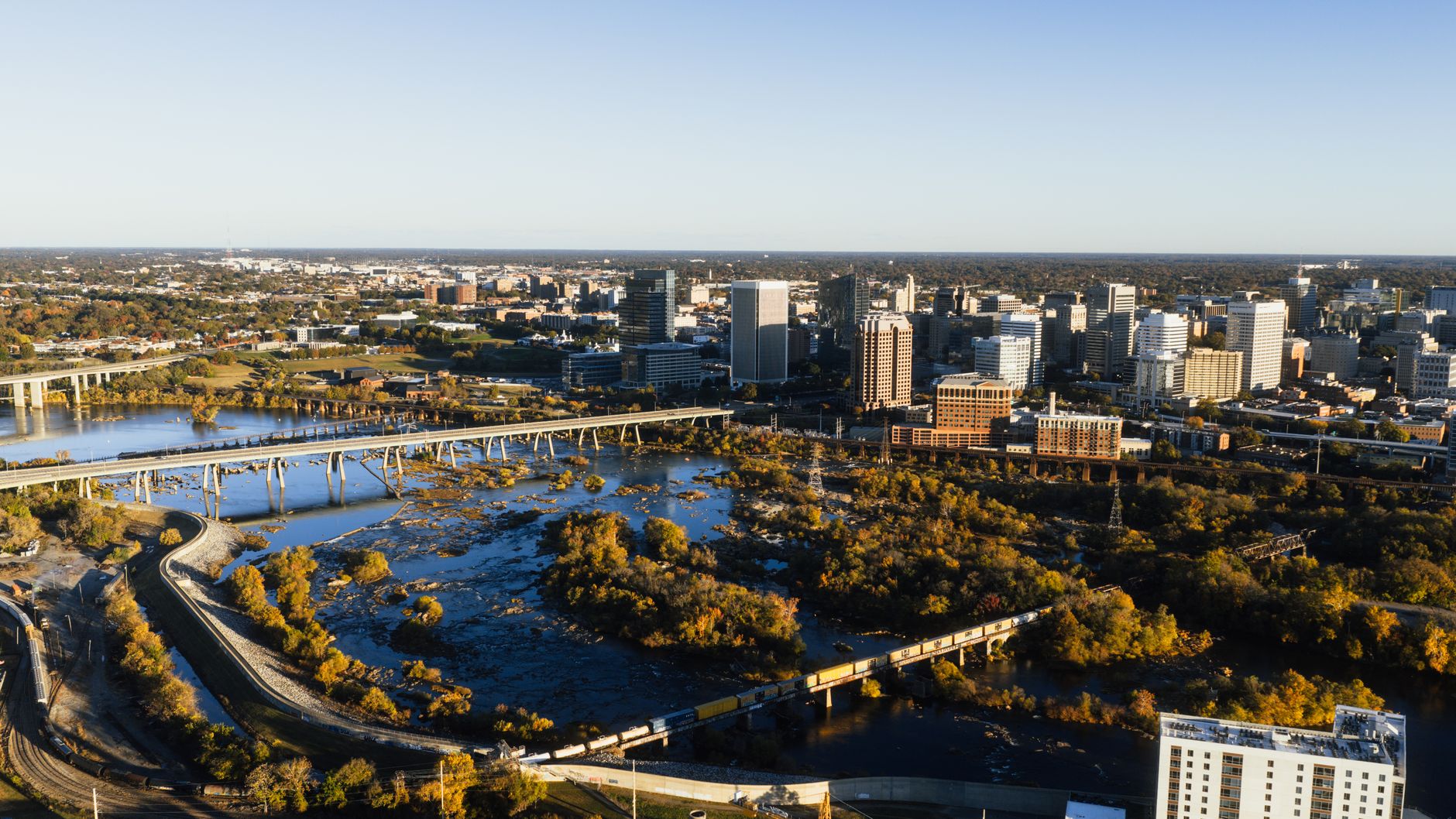
What Goes Wrong When Little Rock Summers Turn Humid and Storms Roll In?
Summer here is heavy, wet, and prone to sudden downpours that dump an inch or more in an hour. That combination hits drainage first. Yards saturate, storm systems back up, and any weakness in your sewer line or basement drainage tends to reveal itself all at once. Homeowners with older clay or cast-iron laterals often notice slow drains or a faint gurgle after a big storm, which is the line telling you it can’t handle the surge.
The heat matters too. Summer is peak season for water usage, so worn washing machine hoses, tired supply lines under sinks, and aging water heaters all get pushed harder. A hose that has been quietly cracking for two years often lets go during the stretch when everyone is running laundry, watering, and filling the pool. Tree roots, meanwhile, chase the moisture around leaking pipes and can finish off a compromised line during the wettest weeks.
Why Does Fall Set the Stage for Winter Pipe Failures?
Fall feels calm, and that’s exactly why it gets ignored. The dramatic breaks happen in winter, but the conditions that cause them are set in October and November. This is the window where prevention actually pays off.
Two things tend to slip past homeowners. First, outdoor spigots and irrigation lines get left connected and undrained through the mild weeks, so the first freeze finds water sitting in exposed fixtures. Second, small leaks that were tolerable all summer keep dripping into wall cavities and crawl spaces, where cooling temperatures slow evaporation and start feeding rot and mold. If you address the crawl-space insulation gaps, disconnect hoses, and fix that one nagging drip before Thanksgiving, you remove most of the ammunition winter needs.
What Should You Watch For When the First Hard Freeze Hits?
Arkansas winters aren’t reliably brutal, and that’s part of the danger. Because deep freezes are occasional rather than constant, a lot of homes are built and plumbed as though hard freezes won’t happen, so pipes run through uninsulated exterior walls, attics, and vented crawl spaces. When an Arctic front does push down, those pipes are the first to freeze and the first to split.
The failures cluster in a predictable order. Exposed lines freeze during the coldest overnight hours, then the real trouble arrives when temperatures climb back above freezing and the ice inside a cracked pipe thaws. That’s the moment water starts pouring out, often into a wall or ceiling while no one is home. If you see a faucet running to a trickle during a cold snap, or you turn on a tap and nothing comes, treat it as an emergency and shut off your main before the thaw. When a line has already ruptured and water is spreading, calling an emergency plumber Little Rock quickly is what keeps a single burst from becoming a full remediation project. Keeping a couple of cabinet doors open and a faucet dripping during the worst nights costs almost nothing and heads off the most expensive calls of the year.
Which Spring Thaw Problems Catch Homeowners Off Guard?
Spring brings its own quiet cleanup of winter’s damage. A pipe that cracked slightly during a freeze but didn’t fully fail often starts weeping once everything thaws and pressure returns to normal, so leaks appear weeks after the cold is gone. Heavy spring rains then reload the drainage problems that summer will only amplify, and sump pumps that sat idle all winter get tested for the first time, sometimes unsuccessfully.
So the year comes full circle, and each season hands you a short list of things worth watching. The question in front of you now is simple: which of these seasonal weak points does your own home actually have, and will you check them during the calm stretch, or wait until the weather forces the decision for you?
